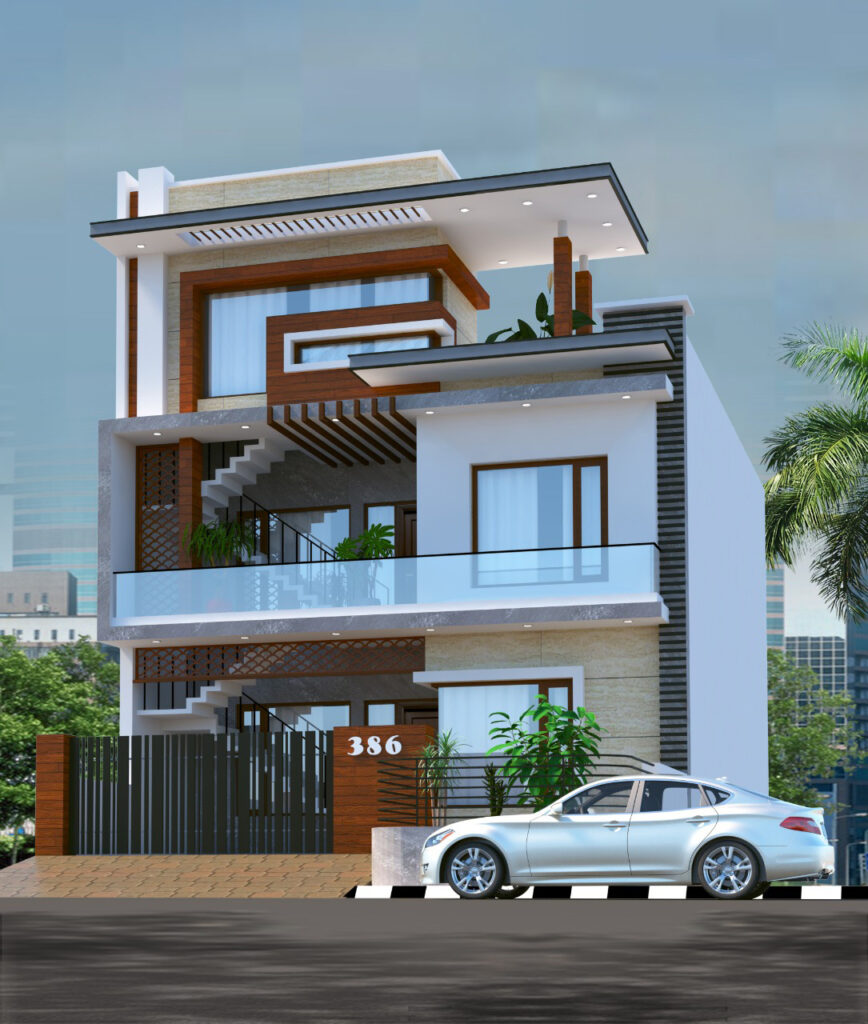
As the world of construction and design evolves, homeowners embarking on renovation or new construction projects have a unique opportunity to embrace the latest trends and integrate sustainability into their homes. To help you create a modern and sustainable living space, here are some valuable tips:
1. Prioritize Energy Efficiency:
Energy-efficient design is a fundamental aspect of modern construction and renovation. Consider installing energy-efficient windows and doors, which help regulate indoor temperatures and reduce heating and cooling costs. LED lighting fixtures and smart thermostats are other effective ways to save energy and lower utility bills.
2. Sustainable Materials Selection:
Opt for sustainable building materials with a low environmental impact. Look for products with high recycled content, such as reclaimed wood, recycled glass countertops, or sustainable flooring materials like bamboo or cork. These materials not only minimize waste but also add unique character to your space.
3. Harness Solar Power:
Solar panels are an excellent investment for homeowners seeking to reduce their carbon footprint and energy expenses. Consult with a solar energy provider to determine the feasibility of installing solar panels on your property. Many governments also offer incentives and tax credits for renewable energy installations.
4. Embrace Open-Concept Living:
Modern design often emphasizes open-concept living spaces that promote flow and connectivity between different areas of the home. Knocking down walls and creating open floor plans can make your space feel more expansive and airy, while also enhancing natural light distribution.
5. Smart Home Technology:
Incorporate smart home technology into your renovation or construction project. Install smart lighting, security systems, and thermostats that can be controlled remotely via your smartphone or voice commands. These technologies not only enhance convenience but also help reduce energy consumption.
6. Efficient Water Fixtures:
Conserve water by installing high-efficiency plumbing fixtures like low-flow toilets, aerated faucets, and rainwater harvesting systems. These choices can significantly reduce water usage and lower water bills.
7. Native Landscaping:
For new construction projects or landscaping renovations, consider using native and drought-resistant plants. These plants require less water and maintenance, contributing to a more sustainable and eco-friendly outdoor environment.
8. Recycled and Repurposed Elements:
Incorporate recycled or repurposed elements into your design. Salvaged wood, vintage furniture, and reclaimed materials can add character and sustainability to your home.
9. Green Building Certifications:
If you’re committed to showcasing your eco-friendly efforts, consider pursuing green building certifications like LEED (Leadership in Energy and Environmental Design). These certifications recognize and validate your commitment to sustainable construction practices.
10. Consult with Sustainability Experts:
Engage with professionals who specialize in sustainable construction or renovations. Architects, contractors, and designers with experience in eco-friendly projects can provide valuable insights, ideas, and guidance tailored to your specific goals.
By incorporating these trends and tips into your renovation or new construction project, you can create a modern, sustainable, and eco-conscious home that not only meets your current needs but also contributes to a greener and more energy-efficient future.